What Is the Most Durable Closet Material?
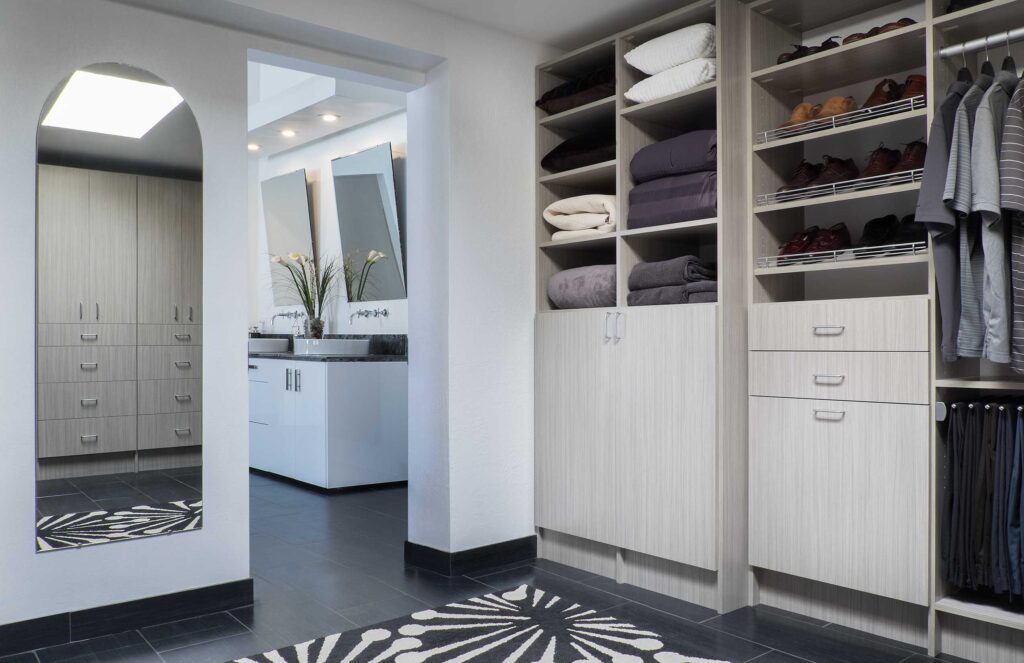
What Is the Most Durable Closet Material?
A closet is more than just storage space. It is an essential part of your home that keeps your wardrobe organized and accessible every day. When planning or upgrading a closet, one of the biggest questions homeowners ask is: What is the most durable closet material? After all, a closet is an investment that should last for years without warping, cracking, or showing wear too quickly.
The durability of a closet depends on the material used for its construction. Each material comes with its own strengths, weaknesses, and price points. In this guide, we will explore the most common closet materials, evaluate their durability, and help you choose the one that best fits your needs.
Solid Wood
Solid wood is often considered the gold standard in furniture and closet design. Known for its strength, longevity, and timeless appeal, solid wood closets can last for decades if maintained properly.
Durability: Solid wood is incredibly strong and resistant to daily wear and tear. It can hold heavy loads without sagging and is less likely to chip compared to engineered materials. However, it can expand or contract with humidity, making it sensitive in areas with fluctuating climates.
Pros:
- Long-lasting and highly durable
- Classic and luxurious appearance
- Can be refinished or repainted over time
- Adds value to the home
Cons:
- Expensive compared to other materials
- Sensitive to moisture if not properly sealed
- Heavier and harder to install
Solid wood closets are best for homeowners seeking timeless beauty and unmatched durability, though they come at a higher price point.
Plywood
Plywood is one of the most durable engineered wood products available. Made by gluing multiple layers of wood veneers together, plywood is stronger and more stable than many alternatives.
Durability: Plywood resists warping and splitting better than solid wood in humid conditions. It can handle heavy loads and provides strong structural support for shelving and cabinetry.
Pros:
- Strong and stable
- Holds screws and fasteners well
- More affordable than solid wood
- Available in a variety of finishes
Cons:
- Quality can vary depending on grade
- More expensive than particleboard or MDF
- Exposed edges require finishing to prevent damage
Plywood is often used in high-quality custom closets because it balances durability, stability, and cost-effectiveness.
Medium Density Fiberboard (MDF)
MDF is a manufactured wood product made from wood fibers and resin. It is smooth, consistent, and widely used in modern closet systems.
Durability: MDF is denser than particleboard and resists cracking. It is strong enough for shelving and cabinetry but may not hold as much weight as plywood or solid wood. If exposed to moisture, MDF can swell and lose integrity.
Pros:
- Smooth surface that takes paint and laminate well
- Affordable compared to plywood and solid wood
- Widely available
- Resistant to warping in stable indoor environments
Cons:
- Not as strong as plywood
- Vulnerable to water damage
- Heavy, making installation more challenging
MDF is ideal for closets in dry, controlled environments and offers a sleek, modern finish at a reasonable price.
Particleboard with Laminate or Melamine
Particleboard is another engineered material made from wood chips and resin. On its own, it is not very durable, but when covered with laminate or melamine, it becomes a common option in budget-friendly closet systems.
Durability: Particleboard is less durable than MDF or plywood, but a laminate or melamine finish improves its scratch resistance and makes it look polished. It is suitable for lighter loads but may sag under heavy weight over time.
Pros:
- Budget-friendly option
- Laminate finish adds style and protection
- Widely available in ready-to-assemble closet systems
- Smooth finish that mimics wood grain
Cons:
- Prone to chipping and swelling if exposed to water
- Shorter lifespan compared to plywood or solid wood
- Not ideal for heavy-duty use
Particleboard with laminate is best for temporary or budget projects where cost is more important than long-term durability.
Metal
Metal closets are less common in homes but are used in industrial or minimalist designs. Steel is the most popular choice due to its strength and modern appeal.
Durability: Metal is resistant to warping, termites, and most types of damage that affect wood. However, it can dent and may rust if not treated properly.
Pros:
- Extremely strong and durable
- Modern and industrial aesthetic
- Fire and pest resistant
- Long lifespan with proper care
Cons:
- Limited style and warmth compared to wood
- Can be noisy and prone to dents
- Expensive and heavy
Metal closets are excellent for industrial or contemporary homes but are not as versatile in traditional spaces.
Glass Accents with Wood or Metal
While glass is not typically used for the main structure of closets, glass accents are increasingly popular. Glass doors, shelves, and inserts add elegance and a high-end feel.
Durability: Tempered glass is strong and resistant to scratches, but it can still break under impact. It is best used as an accent rather than the main material.
Pros:
- Creates a modern, luxurious appearance
- Easy to clean
- Works well with lighting features
Cons:
- Fragile compared to wood or metal
- Can show fingerprints and smudges easily
Glass works beautifully when paired with wood or metal for an upscale, boutique-style closet.
Which Material Is the Most Durable?
If durability is your top priority, solid wood and plywood are the clear winners. Solid wood offers unmatched longevity and strength, while plywood provides stability and resistance to warping at a more affordable price. For those seeking affordability with decent durability, MDF is a good middle ground. Particleboard is the least durable but works for budget-friendly projects. Metal is highly durable but less versatile in design, while glass works best as an accent.
Choosing the Right Material for Your Closet
When deciding on the best material, consider these factors:
- Budget: Solid wood is most expensive, followed by plywood, MDF, and particleboard.
- Climate: In humid areas, plywood often outperforms solid wood.
- Design: MDF and laminate finishes offer a sleek, modern look. Solid wood brings classic warmth.
- Usage: Heavy clothing collections require stronger materials like solid wood or plywood.
A custom closet designer can help balance these factors and create a closet that meets your needs while staying within budget.
Conclusion
The most durable closet materials are solid wood and plywood, both of which provide strength, longevity, and timeless appeal. MDF and particleboard serve as budget-friendly alternatives, while metal and glass add unique style elements. The right choice depends on your budget, design preferences, and how you plan to use your closet.
If you want a closet that is both durable and beautiful, Ottawa Custom Closet Solutions can help. We specialize in designing custom closets that use high-quality materials built to last. Whether you are looking for the strength of plywood, the elegance of wood veneers, or a modern laminate finish, we create closets that combine durability with style. Contact Ottawa Custom Closet Solutions today to start planning a closet that fits your lifestyle and stands the test of time.